
Where Nature's Power Meets Ancient Whispers:
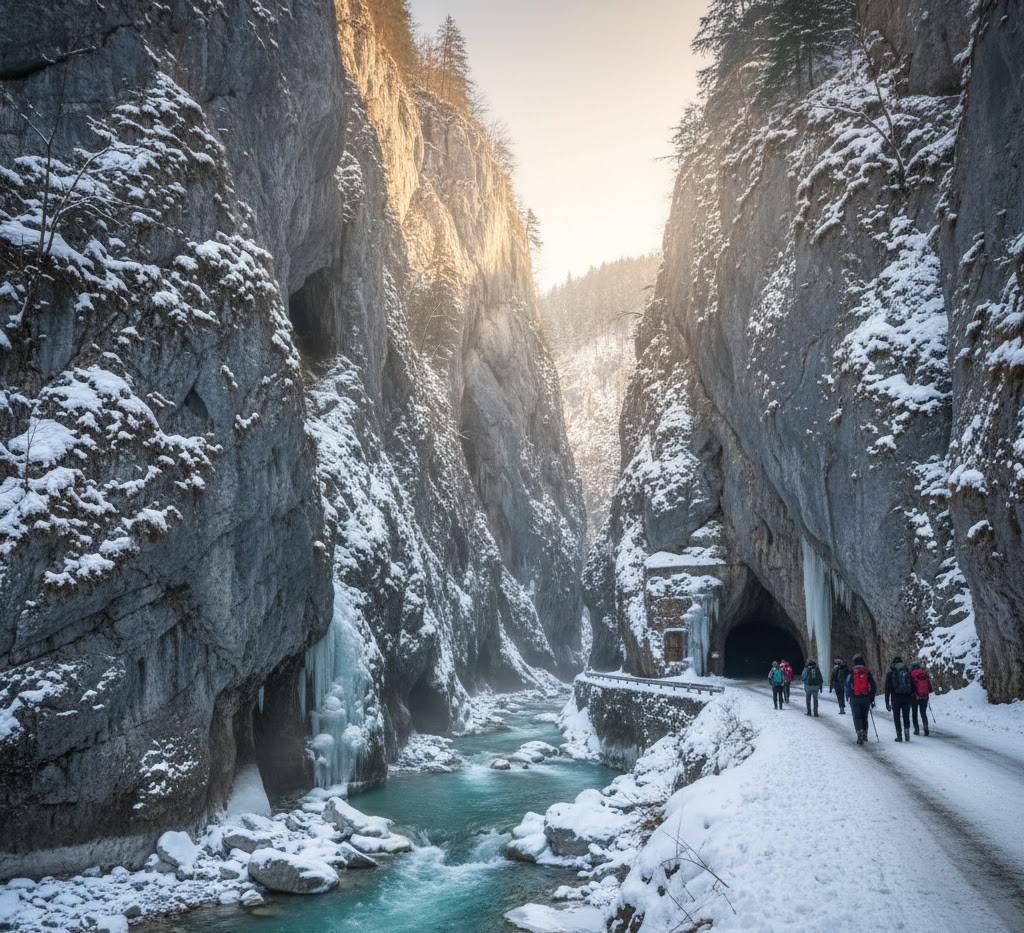
Stretching for approximately 2 kilometers, the Cheile Oltețului are renowned for their breathtakingly narrow passages, towering cliff faces, and the vibrant turquoise waters of the Olteț River. In some places, the canyon walls are so close that they almost touch, creating a cathedral-like atmosphere that is both humbling and exhilarating.
The Legend of the Shepherd and the Dragon:
Local folklore is rich with tales about these majestic gorges. One of the most enduring legends speaks of a brave shepherd, named Olteț, who, with the help of a wise old hermit living in one of the caves, managed to trick a fearsome dragon that terrorized the valley. The dragon, attempting to cross the river, became trapped by the narrow walls of the gorge, and its struggles are said to have deepened the canyon even further. Some say that on a quiet night, you can still hear the dragon's frustrated roar echoing through the cliffs.
The Mystery of the Olteț Caves
The gorges are also home to a network of fascinating caves, the most famous being Peștera Polovragi. This cave is not just a geological marvel but also a site of immense spiritual and historical significance.
- Zamolxis's Sanctuary: Legend has it that Peștera Polovragi (Click HERE to see more) was once a sanctuary for Zamolxis, the supreme deity of the Dacians (ancient inhabitants of Romania). It's believed that rituals and sacred ceremonies took place here, and some even claim to feel a lingering spiritual energy within its chambers.
- The Healing Waters: Another tale suggests that the waters flowing through the cave possess healing properties, sought after by those seeking remedies for various ailments.
The Cheile Oltețului are more than just a beautiful landscape; they are a vibrant ecosystem. Keep an eye out for unique flora clinging to the limestone walls and listen for the calls of various bird species. The area is also home to diverse wildlife, including elusive chamois gracefully navigating the cliffs.
Plan Your Adventure:
Whether you're a seasoned hiker or a curious traveler, the Cheile Oltețului offer an unforgettable experience. The main path through the gorge is relatively accessible, offering stunning views at every turn. Remember to wear comfortable shoes and be prepared for the ever-changing mountain weather.
A video wich present Olteț Gorges (Cheile Oltetului) from iside a car:
Frequently Asked Questions (FAQ):
1. How do I get to Cheile Oltețului?
The gorges are located in Gorj County, near the village of Polovragi. They are easily accessible by car from the DN67 national road (connecting Râmnicu Vâlcea and Târgu Jiu). The entrance to the gorge is just a few hundred meters past the Polovragi Monastery.
2. Is there an entrance fee?
Walking through the gorges themselves is generally free and open to the public. However, if you wish to visit Polovragi Cave (Peștera Polovragi), which is located right inside the gorge, there is a small entry fee for the guided tour.
3. Is the route difficult to hike?
Actually, the main road through Cheile Oltețului is quite flat and easy to walk, making it perfect for families and casual strollers. You are walking on a forest road that runs parallel to the river. If you choose to explore the higher trails or enter the cave, we recommend wearing shoes with good grip.
4. Can I drive through the gorge?
While there is a road, it is very narrow and primarily used by locals or for forestry. We highly recommend parking near the Polovragi Monastery and walking in. This allows you to truly appreciate the towering 300-meter cliffs and the sound of the river without the noise of an engine.
5. Are there bears in the area?
The Parâng Mountains are home to a healthy population of brown bears. While the main gorge road is frequented by tourists, it is important to remember that wild animals are unpredictable. Stick to the main path, avoid wandering into dense brush, and try to visit during daylight hours. Making a bit of noise (talking or whistling) is a good way to let wildlife know you are passing through.
6. What else can I see nearby?
The area is a hub for Romanian tradition and spirituality. Don't miss:
- Polovragi Monastery: A beautiful 17th-century monastery located at the entrance of the gorge.
- The Dacian Fortress: Located on the "Piatra Polovragilor" plateau above the cave.
- Baia de Fier: A nearby village famous for Peștera Muierilor (Women's Cave).
