
A Gift from the Wild
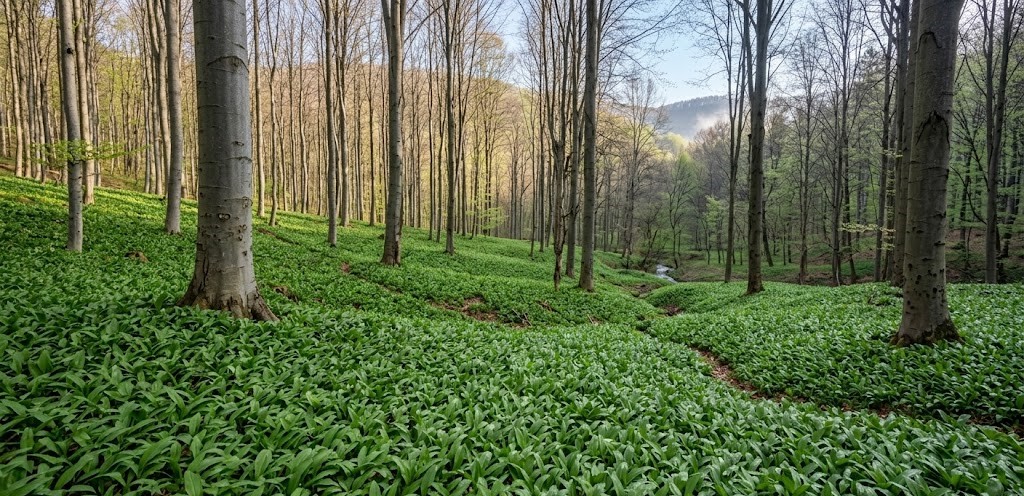
Leurda grows in the damp, shady deciduous forests of the Carpathians. It is often called "Bear’s Garlic" (Allium ursinum) because legend says bears wake up from hibernation and seek out this plant to regain their strength.
- The Taste: It offers a perfect balance—more delicate than traditional garlic, but with a punchy, herbal freshness.
- The Harvest: The best time to find it is from late March to May, before the plant starts to flower and the leaves lose their intense flavor.
For generations, Romanians have used the Garlic of the Mountains as a natural detoxifier.
- Blood Purifier: It is renowned for its ability to lower blood pressure and cholesterol.
- Immune Booster: Packed with Vitamin C and minerals, it’s the perfect remedy for "spring fatigue."
- Antibacterial Properties: Just like its cultivated cousin, it acts as a natural antibiotic.
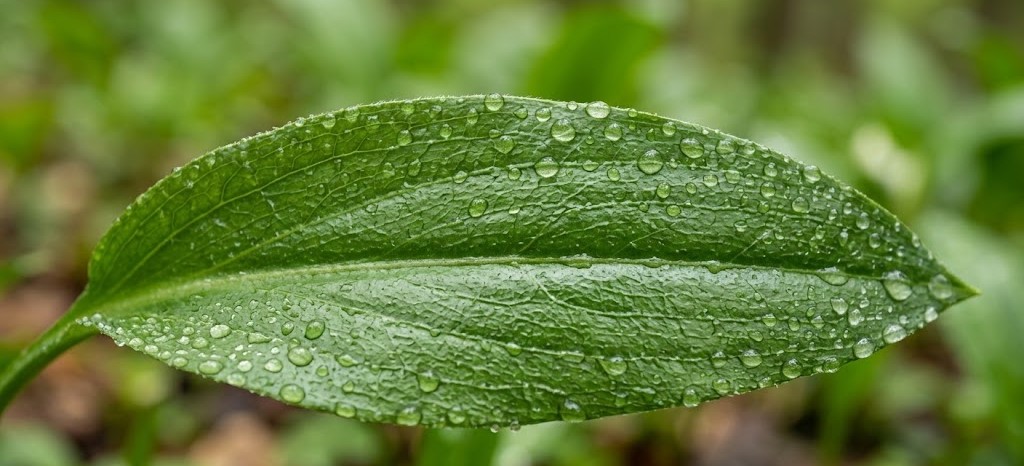
From Forest to Table
In Romanian households, Leurda is a seasonal delicacy. It is rarely cooked for long, to preserve its nutrients.
- Leurda Salad: Chopped freshly with a bit of lemon and olive oil.
- Spring Soup: Added at the very end to nettle or lovage soups.
- Pesto Carpatin: A local twist on the Italian classic, using walnuts instead of pine nuts.
The Legend of the Bear’s Strength (Legenda Puterii Ursului)
Folk stories in the Carpathian Mountains tell that, a long time ago, the Bear — the undisputed King of the Romanian forests — was not as strong as he is today. After the long, freezing winters, the Bear would emerge from his cave thin, weak, and with his spirit dimmed by the cold.
One spring, as the Bear was wandering through a damp beech forest, he felt a powerful, pungent scent that seemed to wake his senses. He followed the smell to a hidden glade covered in vibrant, green leaves. Driven by an ancient instinct, he began to eat the plant greedily.
As he ate, a miracle happened: his blood began to pump faster, his fur regained its shine, and a massive strength flowed back into his muscles. It is said that the Bear was so grateful for this "miraculous garlic" that he vowed to protect the forests where it grows.
A short and nice video which presenting Garlic of the Mountains (Leurda/Usturoiul de Munte) in the forest:In Romanian tradition, this legend isn't just a story; it's a lesson from nature. Just as the bear uses it to "wake up" his body, locals have used Leurda for centuries as the ultimate spring detox, believing that by consuming it, they also inherit a small part of the bear's resilience.
A Note for Foragers
If you go out searching for the Garlic of the Mountains, be careful! Wild plants can be tricky. Leurda leaves look very similar to the Lily of the Valley (Lăcrămioara) (see more), which is poisonous. The secret is in the scent: if you crush a leaf between your fingers and it doesn't smell like garlic, do not eat it!
Frequently Asked Questions: Garlic of the Mountains
1. Where is the best place to find it?
Look for old beech or oak forests where the soil is moist. It grows in abundance in areas like the Apuseni Mountains (see more) or the hilly regions of Prahova.
2. Can I grow it in my garden?
Yes, if you have a shady, damp spot. It will spread naturally, creating a beautiful and edible ground cover.
3. Is it better than regular garlic?
While both are healthy, Leurda is considered more potent in its wild form for detoxifying the body, and it's easier on the digestion for many people.
