
Nature’s Precision Engineering
Bats are the only mammals capable of true, sustained flight. Their wings are actually modified hands with skin stretched between extremely long fingers, allowing them incredible maneuverability in the dark.
- Echolocation: They "see" with their ears, emitting high-frequency sounds that bounce off objects, allowing them to detect a single hair or a tiny insect in total darkness.
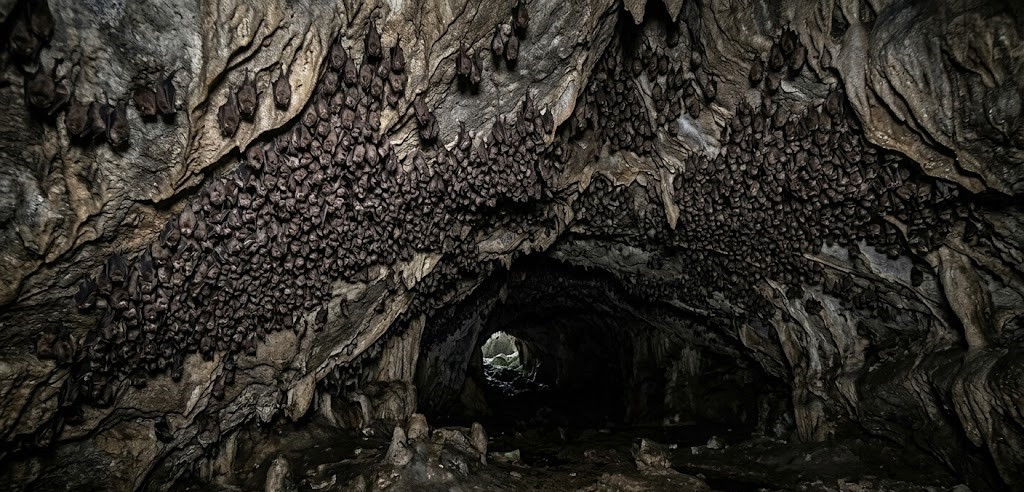
- Hibernation: During the cold Romanian winters, they retreat to caves like Șura Mare (see more) or abandoned attics, entering a deep sleep where their heart rate drops significantly to save energy.
Bats are essential for our ecosystem, acting as a natural and free pest control system.
- Insect Hunters: A single small bat can eat up to 3,000 insects in one night, including mosquitoes and agricultural pests.
- Bio-indicators: Their presence in an area tells us that the air is clean and the local insect population is chemically untainted.
Where to See Them in Romania
Romania is a true paradise for chiropterologists (bat experts).
- The Caves: The Apuseni Mountains and the Grădiștea Muncelului-Cioclovina Natural Park host some of the largest colonies in Europe.
- Urban Survivors: In cities like Bucharest or Suceava, you can often see them at dusk, darting around streetlights to catch insects.
- They aren't blind: Most bats have decent vision, but they prefer their "sonic sight" for hunting.
- Not "Vampires": All species found in Romania are strictly insectivorous. They have zero interest in human blood!
- Longevity: For their small size, they live remarkably long lives—some species can reach over 30 years of age.
As we always mention on beautiful-romania.com, wild animals are unpredictable. If you find a bat, never touch it with bare hands. If you visit a cave during winter, keep noise and light to a minimum to avoid waking them from hibernation, which can be fatal for them.
A video which present bat colonies in Apuseni Mountains:
Frequently Asked Questions: Bats in Romania
1. What should I do if a bat flies into my house?
Don't panic! Turn off the lights, open all windows as wide as possible, and leave the room. The bat will use its echolocation to find the exit. Never try to catch it while it's flying.
2. Are Romanian bats dangerous?
No. They are shy creatures that avoid human contact. They only bite in self-defense if handled, which is why you should never touch them.
3. Which is the best place to see large colonies?
Șura Mare Cave is famous for hosting one of the largest bat colonies in South-Eastern Europe, but remember that the interior is protected to ensure their safety.
4. Can I build a "bat house" in my garden?
Yes! Many people in Romania are now installing bat boxes to encourage these helpful neighbors to stay nearby and keep the mosquito population under control.
