
The Phenomenon: Why "Milk"?
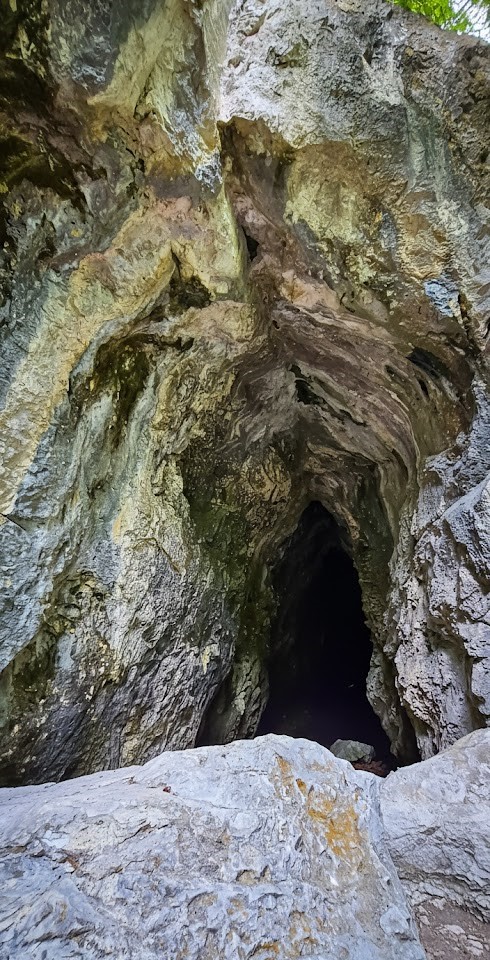
The cave owes its name to a rare geological phenomenon. The walls are adorned with "moonmilk" (monmilch)—a soft, white, creamy precipitate of calcium carbonate. In the dim light of a torch, the cavern looks as if it has been drenched in fresh, white milk, creating a surreal and ghostly atmosphere that has fueled local imagination for centuries.
The Legend of the White Fairy
Local lore tells of a White Fairy (Zâna Albă) who protected the shepherds of the Latorița Valley. It is said that during a great famine, the mountain itself wept for the hungry children. The fairy collected the mountain’s tears in this cave, turning them into a magical milk that never ran dry. Even today, some elders believe that the "milk" on the walls is a sign of the mountain’s enduring fertility and protection.
Another darker legend suggests the cave was a hiding place for outlaws (haiduci). They would smear their faces with the white limestone dust to appear as ghosts, scaring away any soldiers brave enough to pursue them into the dark woods of the Rudăreasa Valley.
A Journey Back in Time
For history buffs, Peștera Laptelui is a treasure trove:
- Ancient Inhabitants: Archaeological excavations have uncovered flint tools and remains of the Cave Bear (Ursus spelaeus), proving that this cave was a shelter over 50,000 years ago.
- The Bronze Age: Shards of pottery from the Glina Culture show that humans returned to this sanctuary thousands of years later, perhaps using it for sacred rituals.
 Essential Visitor Information
- Location: Near Ciungetu, Vâlcea County. Follow the trail along the Rudăreasa Valley.
- Difficulty: Easy to Moderate. The hike takes about 45–60 minutes through a beautiful forest.
- Gear: The cave is about 22 meters long. While it’s not a massive labyrinth, you will need a reliable headlamp to see the "milk" formations and sturdy hiking boots for the forest trail.
A video from a tourist wich present the The Milk Cave (Peștera Laptelui):
Frequently Asked Questions: Peștera Laptelui (The Milk Cave)
1. Where is the cave located and how do I get there?
The cave is situated in the Latorița Mountains (see more), near the village of Ciungetu (Vâlcea County). To reach it, you follow the forest road along the Rudăreasa Valley. The trail is marked and involves a climb through the forest that takes about 45 to 60 minutes.
2. Can I visit the cave without a guide?
Yes, the cave is open to the public and does not require a professional guide. However, because the path is through a wild forest area, it is best to go in a group. Remember that wild animals are unpredictable, so keep a steady pace and make your presence known.
3. What should I wear for the hike?
Even though the cave is small, the trail to get there can be steep and slippery, especially after rain. You should wear mountain boots with good grip. Inside the cave, the temperature is constant around 8-10 degree C, so bring a light jacket even in summer.
4. Is the cave illuminated?
No, the cave is completely natural and has no artificial lighting. You must bring a flashlight or a headlamp to see the white "moonmilk" formations on the walls. A phone flashlight might not be powerful enough to appreciate the details.
5. What exactly is the "milk" on the walls?
Scientifically known as moonmilk (lublinite), it is a soft, white deposit of calcium carbonate. It stays in a paste-like state due to the high humidity. It is very fragile, so please do not touch or scratch the walls, as the oils from human skin can permanently stain the formations.
6. Is it a good place for kids?
Yes, the hike and the cave are generally safe for children who are used to walking on uneven terrain. The legend of the White Fairy makes it a magical experience for them, but they must be supervised at all times near the cave entrance and on the trail.
