The Ghost of the Carpathians: Unveiling Romania's Elusive Lynx (Râsul) +video and views
Posted: Tue Feb 03, 2026 3:38 pm
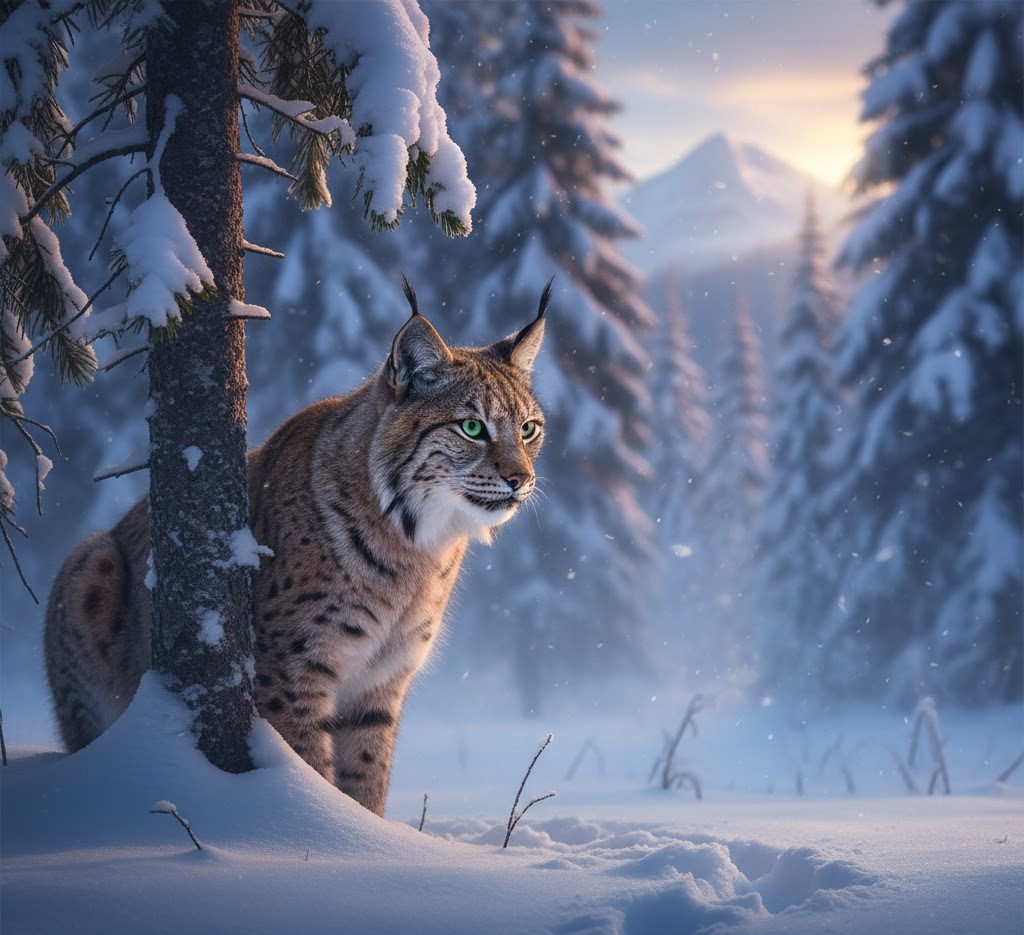
Deep within the ancient, whispered forests of Romania, a silent hunter roams—the Eurasian Lynx (Lynx lynx). This magnificent wild cat, with its piercing emerald eyes, tufted ears, and striking spotted coat, is one of Europe's largest predators and a true symbol of Romania's pristine wilderness. Yet, despite its majestic presence, the lynx remains a creature of mystery, earning it the moniker "Ghost of the Carpathians."
A Master of Stealth and Survival
The Romanian Carpathians provide an ideal habitat for the lynx, offering vast expanses of dense forest, rugged terrain, and abundant prey. These solitary animals are incredibly shy and nocturnal, making sightings incredibly rare—a testament to their exceptional camouflage and hunting prowess. They move like shadows, their broad, padded paws perfectly adapted for silent travel across snow and forest floor.
 Whispers in the Woods: Lynx in Romanian Folklore
Romania boasts one of Europe's most significant lynx populations, a vital stronghold for the species. However, like all large predators, they face challenges from habitat loss, poaching, and conflicts with human activities. Conservation efforts are crucial, focusing on protecting their habitats and raising awareness about their importance to the ecosystem.
Spotting a lynx in the wild is a once-in-a-lifetime experience, a fleeting glimpse of raw, untamed nature. For most, the lynx remains a legend, a magnificent phantom that reminds us of the profound beauty and mystery that still thrives in the wild heart of Romania.
A video featuring an adventurer attempting to capture footage of a lynx in Romanian mountains:
Frequently Asked Questions (FAQ):
1. How many lynx live in Romania?
Romania is home to one of the largest populations of Eurasian Lynx in Europe (excluding Russia). Estimates suggest there are between 1,200 and 1,500 individuals roaming the Carpathian Mountains (Click HERE to see more), representing a significant portion of the total European population.
2. Is the lynx dangerous to humans?
The lynx is an incredibly shy and secretive animal. Attacks on humans are practically unheard of in Romania. They go to great lengths to avoid human contact; usually, a lynx will detect your presence and disappear long before you even know it was there.
3. What do they eat?
The lynx is a specialized hunter. Its primary diet consists of small ungulates like roe deer and chamois. However, being an opportunistic predator, it will also hunt hares, foxes, and various forest birds.
4. Can I see a lynx during a hike?
Seeing a lynx in the wild is extremely rare—it’s often called a "once-in-a-lifetime" event. Your best chance is in remote areas of the Eastern or Southern Carpathians, but even then, they are masters of camouflage. Most "sightings" are actually just paw prints left in the snow or mud.
5. What should I do if I encounter one?
If you are incredibly lucky enough to see one, stay calm and keep your distance. Do not try to approach or follow it. As with all forest inhabitants, wild animals are unpredictable, and a cornered animal may act out of fear. Observe from afar, take a photo if you can, and enjoy the magical moment.
6. Why are their ears tufted?
Those iconic black hair tufts on their ears aren't just for fashion! Scientists believe they act like antennas, helping the lynx pinpoint the exact location of a sound, such as a rustling leaf or a distant prey movement, with incredible precision.
A Master of Stealth and Survival
The Romanian Carpathians provide an ideal habitat for the lynx, offering vast expanses of dense forest, rugged terrain, and abundant prey. These solitary animals are incredibly shy and nocturnal, making sightings incredibly rare—a testament to their exceptional camouflage and hunting prowess. They move like shadows, their broad, padded paws perfectly adapted for silent travel across snow and forest floor.
A Eurasian Lynx in a snowy Romanian forest. The lynx, featuring prominent ear tufts and a thick spotted coat, is peering out from behind a pine tree. The background shows a misty winter landscape with snow-covered fir trees and a distant mountain peak at sunset. Clear lynx paw prints are visible in the deep snow in the foreground.
- For centuries, the lynx has captivated the imagination of those living close to nature. In Romanian tradition, the lynx is often seen as a creature of wisdom and cunning, possessing an almost mystical ability to disappear and reappear without a trace.
The All-Seeing Eyes: There's a popular belief that the lynx's eyes can see into other realms or possess a unique form of "inner sight." Hunters often spoke of the lynx's uncanny ability to evade traps, attributing it to this supernatural perception rather than just sharp senses.
- A Symbol of Untamed Wildness: The lynx is also a guardian of the deep forest, a protector of its secrets. Legends sometimes depict it as a solitary spirit, guiding lost travelers who show respect for the wilderness, or punishing those who harm its domain. Its elusiveness has made it a symbol of the wild, untamed heart of Romania itself.
- The Silent Tracker: Some older tales describe the lynx as a benevolent spirit of the hunt, able to track the most hidden game, but only granting success to those hunters who were truly honorable and only took what they needed.
Romania boasts one of Europe's most significant lynx populations, a vital stronghold for the species. However, like all large predators, they face challenges from habitat loss, poaching, and conflicts with human activities. Conservation efforts are crucial, focusing on protecting their habitats and raising awareness about their importance to the ecosystem.
Spotting a lynx in the wild is a once-in-a-lifetime experience, a fleeting glimpse of raw, untamed nature. For most, the lynx remains a legend, a magnificent phantom that reminds us of the profound beauty and mystery that still thrives in the wild heart of Romania.
A video featuring an adventurer attempting to capture footage of a lynx in Romanian mountains:
Frequently Asked Questions (FAQ):
1. How many lynx live in Romania?
Romania is home to one of the largest populations of Eurasian Lynx in Europe (excluding Russia). Estimates suggest there are between 1,200 and 1,500 individuals roaming the Carpathian Mountains (Click HERE to see more), representing a significant portion of the total European population.
2. Is the lynx dangerous to humans?
The lynx is an incredibly shy and secretive animal. Attacks on humans are practically unheard of in Romania. They go to great lengths to avoid human contact; usually, a lynx will detect your presence and disappear long before you even know it was there.
3. What do they eat?
The lynx is a specialized hunter. Its primary diet consists of small ungulates like roe deer and chamois. However, being an opportunistic predator, it will also hunt hares, foxes, and various forest birds.
4. Can I see a lynx during a hike?
Seeing a lynx in the wild is extremely rare—it’s often called a "once-in-a-lifetime" event. Your best chance is in remote areas of the Eastern or Southern Carpathians, but even then, they are masters of camouflage. Most "sightings" are actually just paw prints left in the snow or mud.
5. What should I do if I encounter one?
If you are incredibly lucky enough to see one, stay calm and keep your distance. Do not try to approach or follow it. As with all forest inhabitants, wild animals are unpredictable, and a cornered animal may act out of fear. Observe from afar, take a photo if you can, and enjoy the magical moment.
6. Why are their ears tufted?
Those iconic black hair tufts on their ears aren't just for fashion! Scientists believe they act like antennas, helping the lynx pinpoint the exact location of a sound, such as a rustling leaf or a distant prey movement, with incredible precision.