
A Natural Source of Vitality
Romanians consider nettles to be a wonderful source of vitamins and iron. They are famous for fighting anemia and strengthening the immune system. In the countryside, it is a common belief that you must eat nettles at least once in the spring to stay healthy for the rest of the year. This "green gold" is packed with minerals that provide a natural boost of vitality when the body needs it most.
The Secret of the Harvest
Not all nettles are the same. Tradition dictates that the best nettles for consumption are the young, tender ones found at the very beginning of their growth. Known as "top tips," these small leaves are the most flavorful and have the highest concentration of nutrients. Once the nettle grows tall and begins to flower, it becomes too fibrous and loses its delicate taste, which is why everyone rushes to forage them in early March and April.
How it is Served
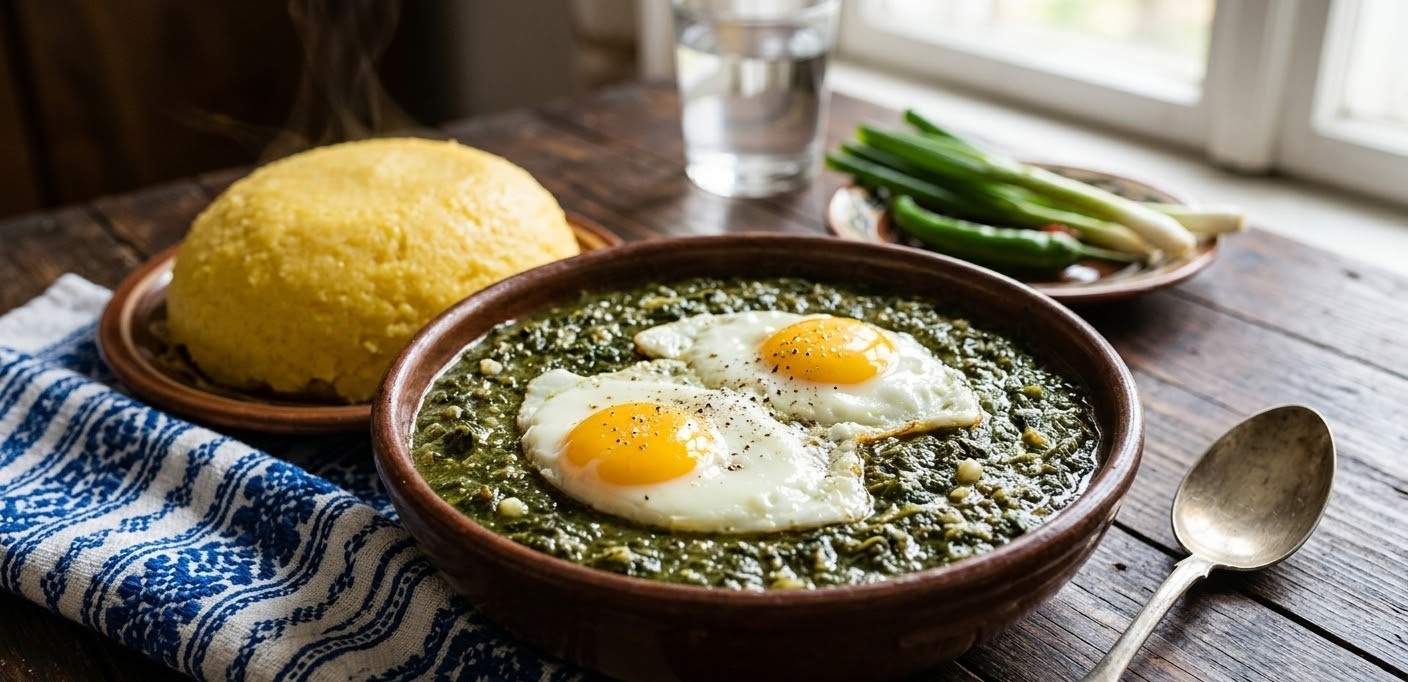
The traditional Romanian way to prepare them is as a creamy puree, flavored with plenty of garlic and sometimes thickened with a bit of cornmeal (mălai). It is almost always served with a side of hot polenta (mămăligă) and a fried egg or, during fasting periods, simply with some spicy horseradish.
Traditional Romanian Nettle Stew Recipe (How to prepare it at home)
If you want to try this "spring miracle" yourself, here is the classic way Romanians prepare it. The secret is in the patience of washing them and the courage to use plenty of garlic!
Ingredients:
1 kg of fresh young nettles (the smaller, the better)
2-3 whole heads of garlic (Romanians love it strong!)
2 tablespoons of sunflower oil or lard
1 large onion, finely chopped
2 tablespoons of cornmeal (mălai) or flour
Salt to taste
A cup of the water used for boiling the nettles
Step-by-Step Preparation:
The Cleaning (The hardest part): Use gloves! Wash the nettles in cold water 5 or 6 times to remove all the soil and dried leaves.
The Blanching: Boil a large pot of water with a pinch of salt. Drop the nettles in and boil them for about 10-15 minutes until they are soft. Important: Do not throw away all the water! Save at least one cup.
The Chopping: Drain the nettles and chop them very finely with a knife or use a wooden blender (traditionally) to turn them into a green paste.
The Sauté: In a large pan, sauté the finely chopped onion in oil until it becomes translucent and golden.
The Mixing: Add the chopped nettles over the onion. Sprinkle the cornmeal or flour and start stirring. Gradually add the cup of water you saved earlier to reach a creamy, puree-like consistency.
The Final Touch: This is the most important step. Crush the garlic cloves into a paste (mujdei) and stir them into the nettles at the very end, after you have turned off the heat. This keeps the garlic flavor fresh and powerful.
Serving Suggestion:
Serve it hot with a large portion of Mămăligă (polenta) (see more). For a non-fasting version, add a fried egg on top or some salty sheep cheese.
A video with a traditional recipe of Nettle Stew (Mâncărică de Urzici) [please activate EN subtitles in the player]:
FAQ: All About Romanian Nettles
Do the nettles still sting after they are cooked?
Not at all. Once they are blanched in boiling water, the stinging hairs are neutralized. They become perfectly safe to handle and have a delicious, earthy flavor similar to spinach, but much more intense.
Can I forage nettles anywhere?
While nettles grow everywhere in Romania, it is best to forage them away from roads or polluted areas. The most prized nettles are those gathered from the edges of forests or clean mountain meadows.
Why is garlic so important in the recipe?
In Romanian cuisine, nettles and garlic are inseparable. The garlic not only enhances the taste but also adds its own antibiotic properties, making the dish even healthier.
Is this a vegetarian-friendly dish?
Yes! Nettle stew is one of the most popular dishes during the Orthodox Lent (Post). It is a hearty, protein-rich meal that perfectly replaces meat.
