Wind Cave (Peștera Vântului) Bihor county: The Labyrinth of Giants +video and views
Posted: Sat Jan 24, 2026 11:51 am
Hidden in the Pădurea Craiului Mountains, Peștera Vântului (The Wind Cave) is a subterranean titan. Stretching over tens of kilometers, it is officially the longest cave in Romania, offering a complex maze that has fascinated speleologists for decades.
 The legends of Wind Cave:
1. The Breath of the Earth (The Name's Origin)
The Legend: Why does the cave "breathe"?The Story: Long before geologists explained the pressure differences that create the wind at the entrance (reaching speeds of up to 50 km/h), locals believed the mountain was a living being. The "wind" was considered the breath of a sleeping giant or a dragon trapped deep within the limestone. It was said that if the wind stopped, the mountain would "wake up" and cause a great earthquake, so the locals always treated the cave with a mix of fear and reverence.
2. The Labyrinth of No Return
The Legend: A place where time and space lose their meaning.The Story: With over 50 km of overlapping galleries on multiple levels, it's easy to get lost. Old stories tell of a shepherd who entered the cave chasing a lost lamb. He wandered for what felt like hours, guided by a mysterious whistling sound (the wind through the narrow cracks). When he finally found his way out, he discovered that days had passed in the world above. For the "străinezi," this is the perfect story to highlight the sheer scale of this underground city.
3. The "Crystal Flowers" Garden
The Legend: Hidden treasures that aren't made of gold. The Story: Deep in the restricted areas of the cave, there are formations called anthodites—rare, needle-like crystals that look like flowers made of ice. Legend says these are the "frozen souls" of the mountain's guardians. They are incredibly fragile, and it is said that they turn to dust if touched by someone with "dark intentions."
 Location & Geography
Located near the village of Șuncuiuș, in Bihor County, this cave is a masterpiece of the Crișul Repede River basin.
Length Record: It features an incredible network of over 52 kilometers (32 miles) of surveyed galleries.
The Name: It is called the "Wind Cave" because of the strong air currents felt at the entrance and in the narrow passages, caused by the pressure difference between the interior and the exterior.
Structure: The cave is organized on three main levels, consisting of active, semi-active, and fossil galleries.
 Highlights for Travelers & Explorers
A Massive Labyrinth: Because of its immense size, the cave is a dream for professional cavers. It contains massive halls, deep chimneys, and winding tunnels that seem to never end.
Unique Formations: The cave is famous for its "Eccentric" formations (helictites)—rare crystals that grow in twisted, gravity-defying shapes, unlike traditional stalactites.
The Gypsum Flowers: In certain sections, the walls are covered in delicate, white gypsum crystals that look like frozen flowers.
Adventure Tourism: While it is not a "lit-up" tourist cave like the Bears' Cave, parts of it can be visited through organized adventure tours with specialized equipment and guides.
 Traveler Tips
Safety Warning - Restricted Access: To protect the fragile environment and for your own safety, the cave is not open to individual hikers. You must book a tour through the Pădurea Craiului Adventure programs or certified speleology clubs.
Gear Up: If you go on a guided adventure tour, be prepared for mud, narrow squeezes, and a constant temperature of about 10°C. Professional helmets and lamps are mandatory.
The Surroundings: The Șuncuiuș area is a hub for outdoor sports. After the cave, you can try via ferrata, rock climbing, or rafting on the Crișul Repede River.
A video who presenting Wind Cave (Peștera Vântului) Bihor county: (please use subtitles by clicking subtitle button inside the videoplayer)
 Fast Facts
Total Length: ~52,000 meters
Location: Șuncuiuș, Bihor County
Type: Labyrinth Cave
Accessibility: Guided Adventure Only
 Frequently Asked Questions (FAQ) - Wind Cave (Pestera Vantului)
1. Which is the longest cave in Romania? The longest cave in Romania is Peștera Vântului (The Wind Cave), located in the Pădurea Craiului Mountains, Bihor County. It has a total surveyed length of over 52 kilometers (approx. 32 miles).
2. Why is it called "The Wind Cave"? The name is derived from the strong air currents (drafts) that can be felt at the entrance and in narrow passages. These currents are caused by the pressure and temperature differences between the vast interior network and the outside atmosphere.
3. Is Peștera Vântului open to the general public? Unlike the Bears' Cave, Peștera Vântului is not a fully electrified tourist cave. Access is restricted and can only be done through organized adventure tours with certified guides, requiring special equipment like helmets and headlamps.
4. What can you see inside Peștera Vântului? The cave is famous for its diverse landscape: underground rivers, massive galleries, and rare formations such as helictites (eccentric crystals) and "gypsum flowers" that cover the walls in certain chambers.
5. Where exactly is the Wind Cave located? The cave is situated near the village of Șuncuiuș, in Bihor County (Transylvania). The area is a popular hub for outdoor activities like rafting on the Crișul Repede River and rock climbing.
Nearby Attractions in the Șuncuiuș Area
If you are planning a visit to the Wind Cave (Peștera Vântului), make sure to explore the surrounding Pădurea Craiului Mountains. This region is a premier hub for outdoor adventure in Romania. Here are the top nearby attractions to include in your itinerary:
The Crișul Repede Gorge (Defileul Crișului Repede): A breathtaking natural canyon where the river carves through towering limestone cliffs. It is a favorite spot for rafting and kayaking enthusiasts.
Via Ferrata Routes: For those seeking an adrenaline rush, Șuncuiuș is famous for its professional via ferrata trails, such as "Montana" or "Casa Zmeului", offering stunning panoramic views.
Unguru Mare Cave (Peștera Unguru Mare): Located nearby, this cave features one of the most monumental entrances in Romania and is famous for its Bronze Age archaeological discoveries.
The Șuncuiuș "Mountain Beach": A unique and highly photogenic spot where a sandy beach is set right at the foot of massive limestone cliffs.
Rock Climbing: The area is one of the most popular climbing destinations in Western Romania, with hundreds of routes for all skill levels.
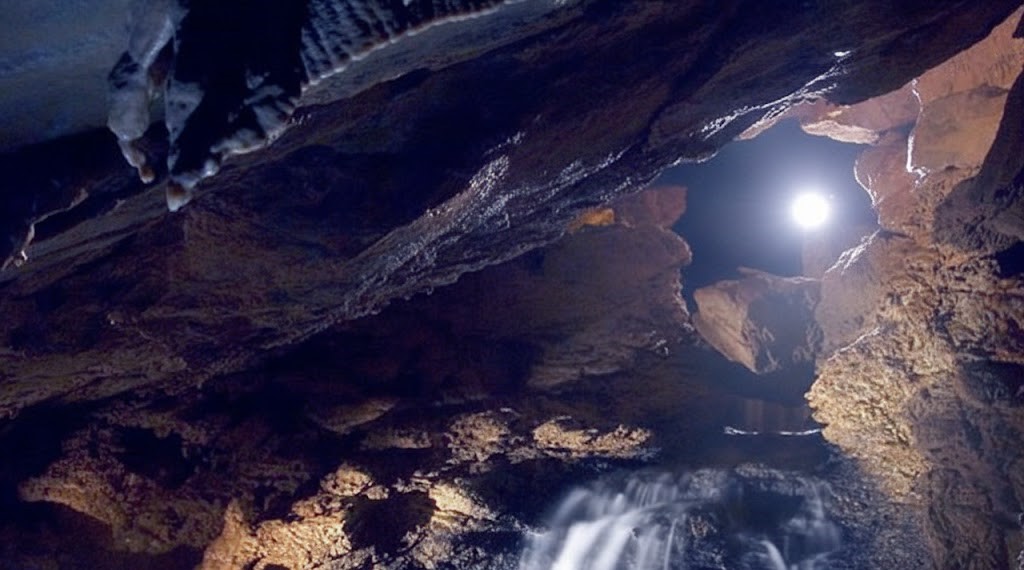
Wind Cave (Peștera Vântului), Bihor county, interior view
1. The Breath of the Earth (The Name's Origin)
The Legend: Why does the cave "breathe"?The Story: Long before geologists explained the pressure differences that create the wind at the entrance (reaching speeds of up to 50 km/h), locals believed the mountain was a living being. The "wind" was considered the breath of a sleeping giant or a dragon trapped deep within the limestone. It was said that if the wind stopped, the mountain would "wake up" and cause a great earthquake, so the locals always treated the cave with a mix of fear and reverence.
2. The Labyrinth of No Return
The Legend: A place where time and space lose their meaning.The Story: With over 50 km of overlapping galleries on multiple levels, it's easy to get lost. Old stories tell of a shepherd who entered the cave chasing a lost lamb. He wandered for what felt like hours, guided by a mysterious whistling sound (the wind through the narrow cracks). When he finally found his way out, he discovered that days had passed in the world above. For the "străinezi," this is the perfect story to highlight the sheer scale of this underground city.
3. The "Crystal Flowers" Garden
The Legend: Hidden treasures that aren't made of gold. The Story: Deep in the restricted areas of the cave, there are formations called anthodites—rare, needle-like crystals that look like flowers made of ice. Legend says these are the "frozen souls" of the mountain's guardians. They are incredibly fragile, and it is said that they turn to dust if touched by someone with "dark intentions."
 Location & Geography
Located near the village of Șuncuiuș, in Bihor County, this cave is a masterpiece of the Crișul Repede River basin.
Length Record: It features an incredible network of over 52 kilometers (32 miles) of surveyed galleries.
The Name: It is called the "Wind Cave" because of the strong air currents felt at the entrance and in the narrow passages, caused by the pressure difference between the interior and the exterior.
Structure: The cave is organized on three main levels, consisting of active, semi-active, and fossil galleries.
 Highlights for Travelers & Explorers
A Massive Labyrinth: Because of its immense size, the cave is a dream for professional cavers. It contains massive halls, deep chimneys, and winding tunnels that seem to never end.
Unique Formations: The cave is famous for its "Eccentric" formations (helictites)—rare crystals that grow in twisted, gravity-defying shapes, unlike traditional stalactites.
The Gypsum Flowers: In certain sections, the walls are covered in delicate, white gypsum crystals that look like frozen flowers.
Adventure Tourism: While it is not a "lit-up" tourist cave like the Bears' Cave, parts of it can be visited through organized adventure tours with specialized equipment and guides.
 Traveler Tips
Safety Warning - Restricted Access: To protect the fragile environment and for your own safety, the cave is not open to individual hikers. You must book a tour through the Pădurea Craiului Adventure programs or certified speleology clubs.
Gear Up: If you go on a guided adventure tour, be prepared for mud, narrow squeezes, and a constant temperature of about 10°C. Professional helmets and lamps are mandatory.
The Surroundings: The Șuncuiuș area is a hub for outdoor sports. After the cave, you can try via ferrata, rock climbing, or rafting on the Crișul Repede River.
A video who presenting Wind Cave (Peștera Vântului) Bihor county: (please use subtitles by clicking subtitle button inside the videoplayer)
 Fast Facts
Total Length: ~52,000 meters
Location: Șuncuiuș, Bihor County
Type: Labyrinth Cave
Accessibility: Guided Adventure Only
 Frequently Asked Questions (FAQ) - Wind Cave (Pestera Vantului)
1. Which is the longest cave in Romania? The longest cave in Romania is Peștera Vântului (The Wind Cave), located in the Pădurea Craiului Mountains, Bihor County. It has a total surveyed length of over 52 kilometers (approx. 32 miles).
2. Why is it called "The Wind Cave"? The name is derived from the strong air currents (drafts) that can be felt at the entrance and in narrow passages. These currents are caused by the pressure and temperature differences between the vast interior network and the outside atmosphere.
3. Is Peștera Vântului open to the general public? Unlike the Bears' Cave, Peștera Vântului is not a fully electrified tourist cave. Access is restricted and can only be done through organized adventure tours with certified guides, requiring special equipment like helmets and headlamps.
4. What can you see inside Peștera Vântului? The cave is famous for its diverse landscape: underground rivers, massive galleries, and rare formations such as helictites (eccentric crystals) and "gypsum flowers" that cover the walls in certain chambers.
5. Where exactly is the Wind Cave located? The cave is situated near the village of Șuncuiuș, in Bihor County (Transylvania). The area is a popular hub for outdoor activities like rafting on the Crișul Repede River and rock climbing.
Nearby Attractions in the Șuncuiuș Area
If you are planning a visit to the Wind Cave (Peștera Vântului), make sure to explore the surrounding Pădurea Craiului Mountains. This region is a premier hub for outdoor adventure in Romania. Here are the top nearby attractions to include in your itinerary:
The Crișul Repede Gorge (Defileul Crișului Repede): A breathtaking natural canyon where the river carves through towering limestone cliffs. It is a favorite spot for rafting and kayaking enthusiasts.
Via Ferrata Routes: For those seeking an adrenaline rush, Șuncuiuș is famous for its professional via ferrata trails, such as "Montana" or "Casa Zmeului", offering stunning panoramic views.
Unguru Mare Cave (Peștera Unguru Mare): Located nearby, this cave features one of the most monumental entrances in Romania and is famous for its Bronze Age archaeological discoveries.
The Șuncuiuș "Mountain Beach": A unique and highly photogenic spot where a sandy beach is set right at the foot of massive limestone cliffs.
Rock Climbing: The area is one of the most popular climbing destinations in Western Romania, with hundreds of routes for all skill levels.
Longest cave in Romania with Rare gypsum flowers cave and Natural air currents in caves is in top caves to visit in Europe.