Sea Buckthorn (Cătina): Romania's Golden Superfood +video and views
Posted: Fri Feb 27, 2026 2:46 pm
The "Orange Gold" of the Hills
Sea Buckthorn (Hippophae rhamnoides) is a hardy, thorny shrub that thrives across the Romanian hills and riverbeds. Known locally as Cătină, it produces small, vibrant orange berries that are packed with an almost unbelievable concentration of nutrients. In Romania, it has been used for centuries as a traditional remedy, but today it is recognized globally as a premium "superfood."
A Vitamin Powerhouse
Why is the Romanian Sea Buckthorn so special? The answer lies in its composition: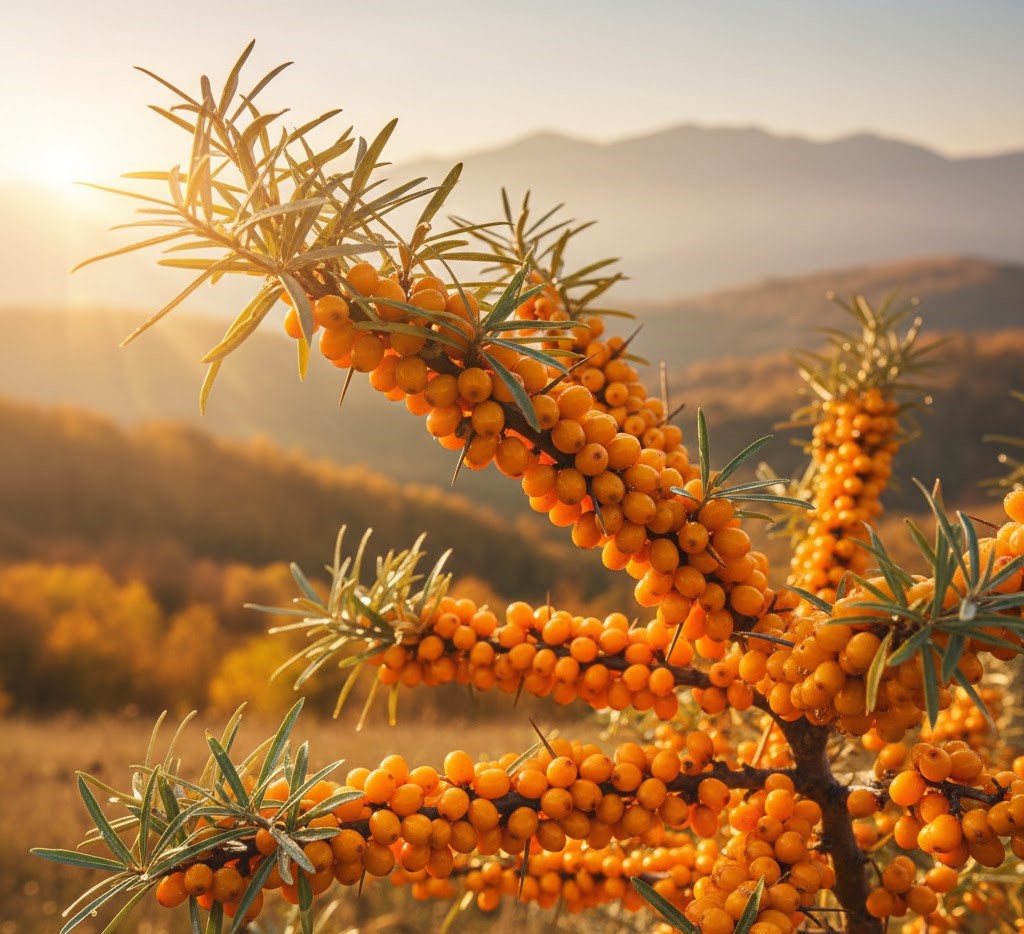 Traditional and Modern Use
In Romanian households, sea buckthorn is traditionally preserved in raw honey (cătină cu miere). This mixture is the "go-to" natural medicine for preventing colds during the winter. Beyond health, it is also used in:
FAQ: Sea Buckthorn (Cătina)
1. When is the harvest season in Romania?
The berries are usually harvested from late August through October. In some areas, they are even picked after the first frost, which is said to make them sweeter.
2. Can I eat the berries raw?
Yes, but be prepared! They are extremely sour and slightly astringent. Most people prefer them mixed with honey or as a cold-pressed juice.
3. Where can I find it in the wild?
It grows abundantly in the sub-Carpathian regions, especially in Buzău, Prahova, and Vrancea counties, often along riverbanks and on sunny hillsides.
4. Why is it called "Romanian Ginseng"?
Because of its complex effect on the human body—it doesn't just provide vitamins; it acts as an adaptogen, helping the body fight stress and fatigue, much like the famous Asian root.
5. How should I store it?
The best way to keep the vitamins intact is to freeze the berries or mix them directly with raw, organic honey in a glass jar.
Sea Buckthorn (Hippophae rhamnoides) is a hardy, thorny shrub that thrives across the Romanian hills and riverbeds. Known locally as Cătină, it produces small, vibrant orange berries that are packed with an almost unbelievable concentration of nutrients. In Romania, it has been used for centuries as a traditional remedy, but today it is recognized globally as a premium "superfood."
A Vitamin Powerhouse
Why is the Romanian Sea Buckthorn so special? The answer lies in its composition:
- Vitamin C King: It contains about 10 times more Vitamin C than citrus fruits, making it an incredible immunity booster.
- Omega Fatty Acids: It is one of the very few plants in the world to provide all four omega fatty acids: Omega-3, 6, 7, and 9.
- Resilience: Because the plant survives harsh winters and scorching summers on the Romanian plains and hills, it develops a high concentration of antioxidants to protect itself—benefits that are passed on to those who consume it.
Close-up of vibrant orange Sea Buckthorn berries on thorny branches with a blurred Romanian mountain landscape at sunset.
In Romanian households, sea buckthorn is traditionally preserved in raw honey (cătină cu miere). This mixture is the "go-to" natural medicine for preventing colds during the winter. Beyond health, it is also used in:
- Cosmetics: Its oil is legendary for skin regeneration and UV protection.
- Gastronomy: You will find sea buckthorn syrups, teas, and even sophisticated sauces in modern Romanian restaurants.
- Environment: Its deep root system is vital for preventing soil erosion on the steep slopes of the Carpathian foothills.
FAQ: Sea Buckthorn (Cătina)
1. When is the harvest season in Romania?
The berries are usually harvested from late August through October. In some areas, they are even picked after the first frost, which is said to make them sweeter.
2. Can I eat the berries raw?
Yes, but be prepared! They are extremely sour and slightly astringent. Most people prefer them mixed with honey or as a cold-pressed juice.
3. Where can I find it in the wild?
It grows abundantly in the sub-Carpathian regions, especially in Buzău, Prahova, and Vrancea counties, often along riverbanks and on sunny hillsides.
4. Why is it called "Romanian Ginseng"?
Because of its complex effect on the human body—it doesn't just provide vitamins; it acts as an adaptogen, helping the body fight stress and fatigue, much like the famous Asian root.
5. How should I store it?
The best way to keep the vitamins intact is to freeze the berries or mix them directly with raw, organic honey in a glass jar.