The European Hare (Iepurele de camp): A Symbol of Romanian Wildlife +video and views
Posted: Fri Feb 13, 2026 5:36 pm
Often seen darting across fields or hiding in tall grass, the European Hare (Lepus europaeus), or Iepurele de câmp as it's known in Romania, is an iconic part of our country's diverse wildlife. More than just a rabbit's cousin, the hare boasts remarkable adaptations and plays a vital role in our ecosystems.
Not Just a Rabbit!
While often confused with rabbits, hares are quite distinct: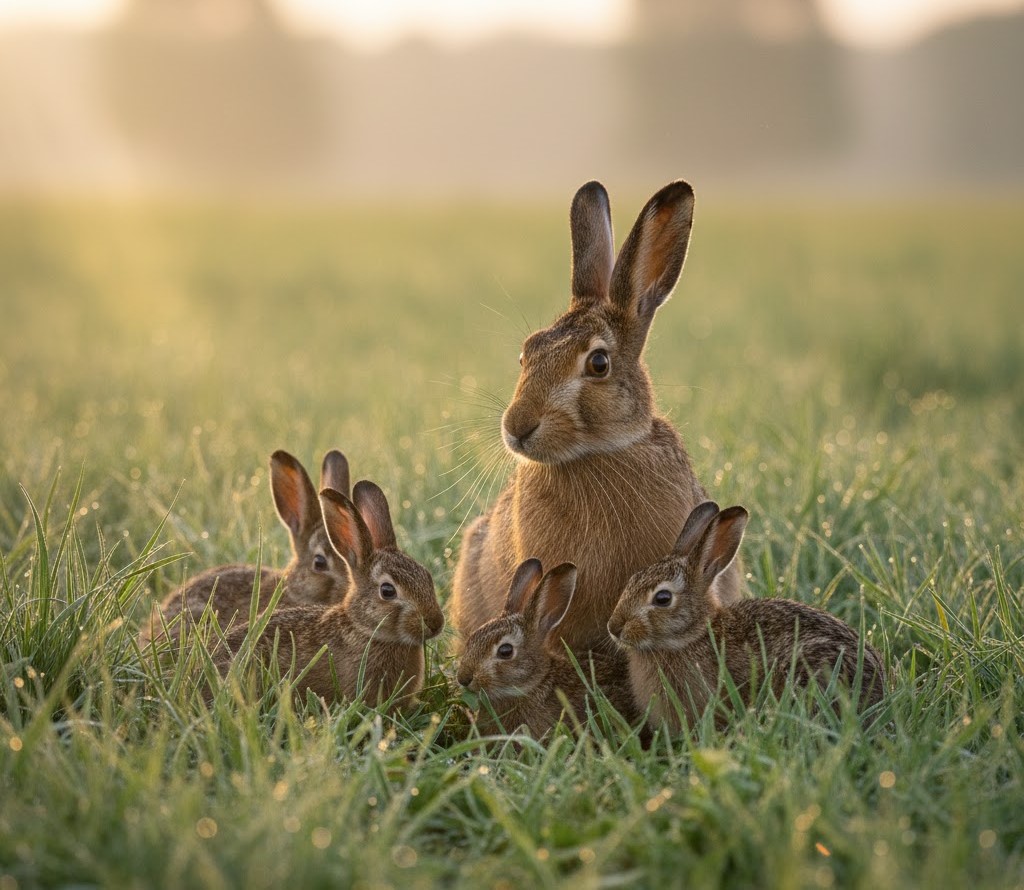 Speed and Survival: Masters of the Open Field
The European Hare is built for speed. With long, powerful hind legs, it can reach speeds of up to 70 km/h( 43 mph), making it one of the fastest land animals in Romania. Their large ears provide excellent hearing, allowing them to detect predators from afar. When threatened, a hare will often "freeze" to blend in, then burst into a zig-zag run to evade pursuit.
A Diet of Herbs and Fields
Hares are herbivores, feeding on a wide variety of plants, grasses, clover, and even bark in winter. They are an important part of the food chain, being a prey animal for foxes, wolves, birds of prey, and even wild cats.
The "Mad March Hare"
The hare's unique courtship behavior in spring has earned it the nickname "Mad March Hare." Males often engage in spectacular boxing matches to compete for females, chasing and leaping, a truly memorable sight for any wildlife enthusiast.
Where to Spot Them in Romania
Hares are widespread across Romania, from agricultural fields and meadows to forest edges. They are most active at dawn and dusk. For the best chances of spotting one, visit open areas in Transylvania, Banat, or Moldova, especially during early morning or late afternoon.
A video with a European Hare (Iepurele De Camp) in nature:
FAQ: Understanding the European Hare
1. How can I tell the difference between a hare and a rabbit?
Hares are larger, have longer ears with black tips, and much longer hind legs. While rabbits prefer to hide in underground burrows, hares live entirely above ground and rely on their incredible speed to escape predators.
2. Why do hares "box" each other?
This famous "boxing" behavior usually happens during the mating season (spring). It’s not just between two males; often, it’s a female hitting a male to test his strength or to fend off his advances if she isn't ready to mate yet.
3. Are hares dangerous to humans?
No, hares are very shy and will usually run away long before you get close. However, as a general rule for our forum: wild animals are unpredictable. If cornered or handled (which is not recommended), they can deliver powerful kicks with their hind legs.
4. What do hares do during the winter in Romania?
Unlike some mammals, hares do not hibernate. They stay active all winter, changing their diet to include bark, twigs, and any dried vegetation they can find under the snow. Their fur also becomes thicker to handle the Carpathian frost.
5. Can I keep a wild leveret (baby hare) if I find it alone in a field?
No. If you find a young hare alone, it is likely not abandoned. Mother hares leave their young hidden in the grass for most of the day to avoid attracting predators, returning only briefly to nurse them. It’s best to leave them exactly where they are.
6. How fast can a hare actually run?
The European Hare is a champion sprinter, reaching speeds of up to 70 km/h. They don't just run fast; they also jump up to 2 meters high and can change direction instantly to confuse a chasing predator.
Not Just a Rabbit!
While often confused with rabbits, hares are quite distinct:
- Born Ready: Hare leverets (young hares) are born fully furred, with open eyes, and can run within minutes of birth. Rabbit kits are born blind, naked, and helpless.
- Solitary Nature: Hares are generally solitary animals, except during mating season, unlike rabbits which live in social groups.
- Above Ground Dwellers: Hares don't live in burrows but create shallow depressions called "forms" in fields, relying on camouflage and speed for protection.
A photo of a mother European hare with her four young leverets sitting in a dew-covered green field at sunrise in the Romanian countryside.
The European Hare is built for speed. With long, powerful hind legs, it can reach speeds of up to 70 km/h( 43 mph), making it one of the fastest land animals in Romania. Their large ears provide excellent hearing, allowing them to detect predators from afar. When threatened, a hare will often "freeze" to blend in, then burst into a zig-zag run to evade pursuit.
A Diet of Herbs and Fields
Hares are herbivores, feeding on a wide variety of plants, grasses, clover, and even bark in winter. They are an important part of the food chain, being a prey animal for foxes, wolves, birds of prey, and even wild cats.
The "Mad March Hare"
The hare's unique courtship behavior in spring has earned it the nickname "Mad March Hare." Males often engage in spectacular boxing matches to compete for females, chasing and leaping, a truly memorable sight for any wildlife enthusiast.
Where to Spot Them in Romania
Hares are widespread across Romania, from agricultural fields and meadows to forest edges. They are most active at dawn and dusk. For the best chances of spotting one, visit open areas in Transylvania, Banat, or Moldova, especially during early morning or late afternoon.
A video with a European Hare (Iepurele De Camp) in nature:
FAQ: Understanding the European Hare
1. How can I tell the difference between a hare and a rabbit?
Hares are larger, have longer ears with black tips, and much longer hind legs. While rabbits prefer to hide in underground burrows, hares live entirely above ground and rely on their incredible speed to escape predators.
2. Why do hares "box" each other?
This famous "boxing" behavior usually happens during the mating season (spring). It’s not just between two males; often, it’s a female hitting a male to test his strength or to fend off his advances if she isn't ready to mate yet.
3. Are hares dangerous to humans?
No, hares are very shy and will usually run away long before you get close. However, as a general rule for our forum: wild animals are unpredictable. If cornered or handled (which is not recommended), they can deliver powerful kicks with their hind legs.
4. What do hares do during the winter in Romania?
Unlike some mammals, hares do not hibernate. They stay active all winter, changing their diet to include bark, twigs, and any dried vegetation they can find under the snow. Their fur also becomes thicker to handle the Carpathian frost.
5. Can I keep a wild leveret (baby hare) if I find it alone in a field?
No. If you find a young hare alone, it is likely not abandoned. Mother hares leave their young hidden in the grass for most of the day to avoid attracting predators, returning only briefly to nurse them. It’s best to leave them exactly where they are.
6. How fast can a hare actually run?
The European Hare is a champion sprinter, reaching speeds of up to 70 km/h. They don't just run fast; they also jump up to 2 meters high and can change direction instantly to confuse a chasing predator.