The Dobrogea Tortoise (Țestoasa Dobrogeană): A Living Relic of the Sunny Steppe +video and views
Posted: Thu Feb 12, 2026 1:13 pm
If you wander through the rocky hills or the dry grasslands of Dobrogea, you might encounter a quiet traveler: Testudo graeca, known locally as the Dobrogea Tortoise. This species is a true survivor, having inhabited these lands for thousands of years.
A Master of Adaptation
The Dobrogea Tortoise is perfectly suited for the arid, sun-drenched landscape of South-Eastern Romania.
They are most commonly found in the Măcin Mountains National Park (see more), the Histria area, and the protected reserves of the Dobrogea Plateau. They love sunny slopes with thickets where they can hide when the midday heat becomes too intense.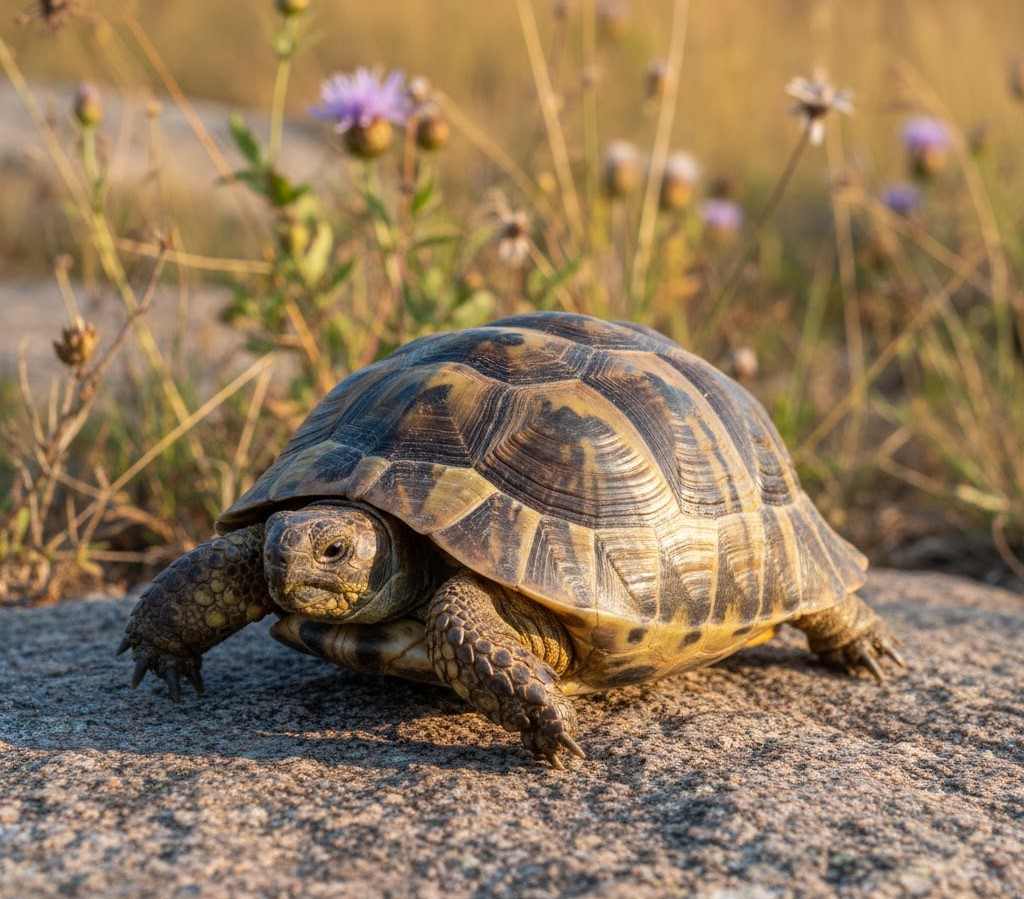 A Protected Treasure
The Dobrogea Tortoise is a strictly protected species. In the past, their numbers dropped significantly due to habitat loss and illegal collection for the pet trade.
Important Note: On beautiful-romania.com, we promote the protection of our wildlife. If you find a tortoise, observe it from a distance. Never take it home and never move it far from where you found it—tortoises have a very strong sense of "home territory" and can become disoriented if relocated.
A video beautiful wich present The Dobrogea Tortoise (Țestoasa Dobrogeană):
FAQ: The Dobrogea Tortoise (Testudo graeca)
1. Is it the same as the Banat Tortoise? No. While they look similar, the Dobrogea Tortoise (Testudo graeca) is a different species from the Banat (Hermann’s) Tortoise (Testudo hermanni). One way to tell them apart is by the small "spurs" or tubercles on the thighs of the Dobrogea species.
2. What should I do if I find one on the road? If it is in danger of being hit by a car, you can gently pick it up and move it to the side of the road in the direction it was already heading. Otherwise, do not disturb its journey.
3. Do they hibernate? Yes. As temperatures drop in late autumn, they bury themselves in the soil or hide in deep burrows to sleep through the winter, emerging again in the warm sun of late March or April.
4. Are they dangerous? Not at all. They are very peaceful creatures. However, wild animals are unpredictable when stressed, and they might retract into their shell or hiss if they feel threatened. It's best to let them be.
A Master of Adaptation
The Dobrogea Tortoise is perfectly suited for the arid, sun-drenched landscape of South-Eastern Romania.
- The Shell: Its high, domed carapace serves as a natural suit of armor against predators and the scorching sun. Each tortoise has a unique pattern of dark patches on a yellow-olive background.
- Longevity: These creatures are famous for their long lives, often reaching over 50 to 70 years in the wild if left undisturbed.
- Diet: They are primarily herbivores, feeding on a variety of wild grasses, dandelions, and clover found in the dry meadows.
They are most commonly found in the Măcin Mountains National Park (see more), the Histria area, and the protected reserves of the Dobrogea Plateau. They love sunny slopes with thickets where they can hide when the midday heat becomes too intense.
Photo of a Dobrogea Tortoise (Testudo graeca) basking on a sun-warmed granite rock.
The Dobrogea Tortoise is a strictly protected species. In the past, their numbers dropped significantly due to habitat loss and illegal collection for the pet trade.
Important Note: On beautiful-romania.com, we promote the protection of our wildlife. If you find a tortoise, observe it from a distance. Never take it home and never move it far from where you found it—tortoises have a very strong sense of "home territory" and can become disoriented if relocated.
A video beautiful wich present The Dobrogea Tortoise (Țestoasa Dobrogeană):
FAQ: The Dobrogea Tortoise (Testudo graeca)
1. Is it the same as the Banat Tortoise? No. While they look similar, the Dobrogea Tortoise (Testudo graeca) is a different species from the Banat (Hermann’s) Tortoise (Testudo hermanni). One way to tell them apart is by the small "spurs" or tubercles on the thighs of the Dobrogea species.
2. What should I do if I find one on the road? If it is in danger of being hit by a car, you can gently pick it up and move it to the side of the road in the direction it was already heading. Otherwise, do not disturb its journey.
3. Do they hibernate? Yes. As temperatures drop in late autumn, they bury themselves in the soil or hide in deep burrows to sleep through the winter, emerging again in the warm sun of late March or April.
4. Are they dangerous? Not at all. They are very peaceful creatures. However, wild animals are unpredictable when stressed, and they might retract into their shell or hiss if they feel threatened. It's best to let them be.