
Biodiversity: A Pristine Wilderness
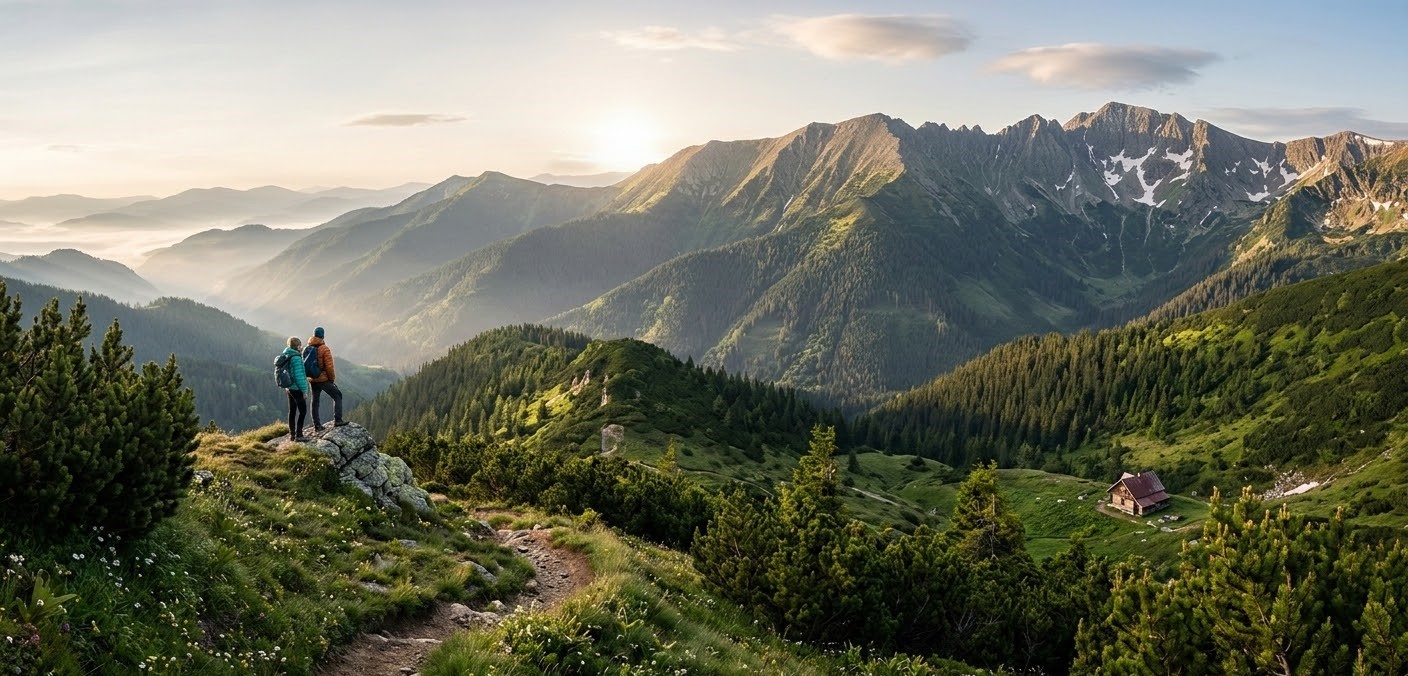
For a traveler seeking the untouched, Șureanu is a sanctuary. The massif is part of the Grădiștea Muncelului-Cioclovina Natural Park, a protected area where the flora and fauna remain remarkably undisturbed.
- Flora: You will find vast alpine meadows filled with the rare Edelweiss and the vibrant Mountain Peony.
- Fauna: It is one of the few places in Europe where the "Big Three" — brown bears (see more), wolves, and lynx — still roam freely.
- The Sinkholes: The limestone terrain has created spectacular karst formations, including the famous Cioclovina Cave (see more), known for its prehistoric importance.
The biggest draw for any curious visitor is the connection to the Dacians, the brave ancestors of the Romanian people.
- Sarmizegetusa Regia: Nestled in these mountains lies the capital of the Dacian Kingdom. It is often compared to Stonehenge or Machu Picchu due to its mysterious circular sanctuaries and advanced astronomical knowledge.
- The Legend of Decebalus' Treasure: Local folklore suggests that before the Roman conquest, King Decebalus hid a massive treasure of gold and silver in the bed of the Sargetia River (near the mountains). To this day, many believe the mountains still guard "blessed" gold that can only be found by those with a pure heart.
Fun Facts for the Curious Traveler
- The Skiing Clouds: The Șureanu Ski Resort is one of the highest in Romania (reaching 2,010 meters). It’s famous for its "high-altitude" snow which stays frozen and powdery much longer than in other regions.
- The Cave of Time: In the Cioclovina Cave, researchers found one of the oldest human skulls in Europe (approx. 30,000 years old), proving that these mountains have been "home" since the dawn of humanity.
- Nature's Pharmacy: Like many mountain areas in Romania (including the Cuib region in Prahova), the locals here still use wild mountain herbs to craft unique teas and elixirs believed to cure almost any ailment.
If you want to escape the crowded tourist traps of the Prahova Valley (like Bușteni or Sinaia) and experience a place where the silence is only broken by the wind and the bells of sheep herds, Șureanu is your destination. It is a place where you don't just hike; you walk through the pages of a history book.
A nice video presenting Șureanu Mountains (Munții Șureanu):
Frequently Asked Questions: Exploring the Șureanu Mountains
1. How do I get to the Șureanu Mountains? The most common access point is from the city of Sebeș (Alba County). From there, you follow the famous Transalpina road (DN67C) (see more) towards Lake Oașa (see more), then take the forest road to the Șureanu Ski Resort. While the main roads are paved, some sections leading deep into the mountains are gravel, so a car with higher ground clearance is recommended.
2. When is the best time to visit? * For Hiking: June to September, when the alpine meadows are in full bloom and the weather is mild.
For Skiing: December to late March. The resort is famous for having natural snow even when other parts of the country are thawing.
3. Is it safe to hike alone because of wild animals? As we always mention on our site, wild animals are unpredictable. While bears and wolves live here, they usually avoid humans. It is best to hike in groups, stay on marked trails, and make noise (talking or using a whistle) to avoid surprising them. Avoid hiking at dusk or dawn.
4. Can I visit the Dacian Fortresses in one day? Yes, but they are spread out. The most famous, Sarmizegetusa Regia (see more), is easily accessible and a must-see. To truly experience the spiritual atmosphere and see the other fortresses like Costești or Blidaru, we recommend dedicated 2-3 days for the "Dacian Trail."
5. What should I pack for a trip to Șureanu? The weather can change in minutes. Even in summer, bring a waterproof jacket and sturdy hiking boots. If you are visiting the caves (like Cioclovina), a headlamp is essential. Don't forget a reusable water bottle; the mountain springs here offer some of the purest water in Europe!
6. Are there places to stay? Yes, there are mountain lodges (cabane) and guesthouses near the Luncile Prigoanei area and the ski resort. For a more authentic experience, many visitors choose to stay in the traditional villages at the foot of the mountains.
